"Most performance and culture problems aren’t technical. They’re human."
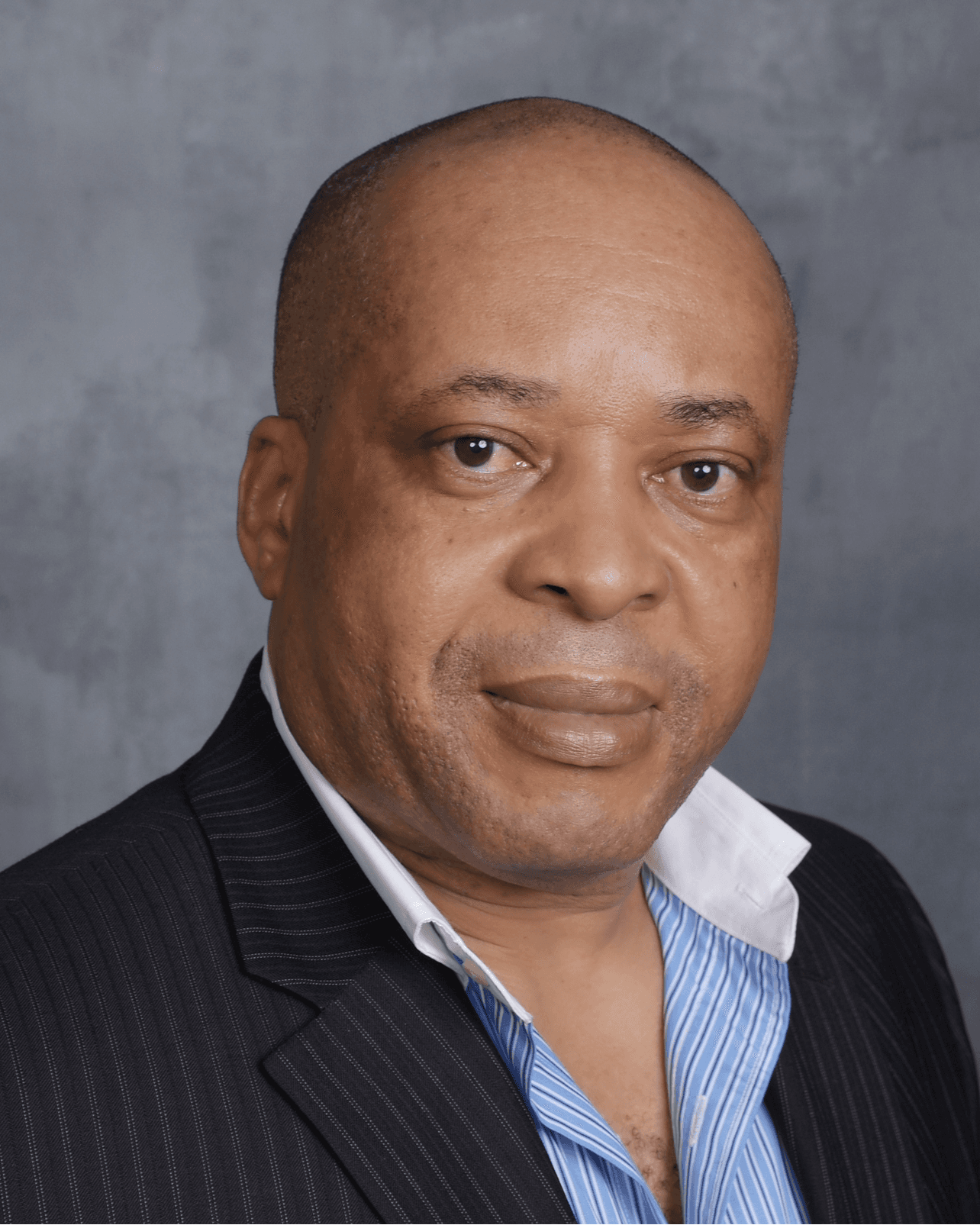
After more than three decades working in academia, healthcare systems, leadership roles, and organizational consulting, I kept encountering the same reality: smart people, capable teams, and well-designed organizations struggling, not because they lacked intelligence, training, or effort, but because human behavior under pressure was poorly understood and poorly supported.
I founded BIWISE™ because I saw the cost of that gap.
Across environments and sectors, the patterns were consistent:
When these realities were ignored, the outcomes were predictable: burnout, conflict, disengagement, poor decisions, and cultures that quietly eroded from the inside.
These beliefs are not philosophical preferences. They are conclusions drawn from lived experience.
Most approaches try to fix people without fixing systems. They focus on Personality instead of behavior, Motivation instead of capacity, and Insight without application.
As a result, people are blamed for outcomes that systems quietly produce.
BIWISE™ was created to change that.
BIWISE™ is about operationalizing wisdom. That means turning things we talk about abstractly — emotion, presence, behavior, relationships, judgment — into things we can actually see, measure, discuss, and improve.
When these elements are integrated, something changes: people stop reacting and start responding.
"Wisdom should not be assumed. It should be designed for.
That is the work behind BIWISE™."